How We Treat Sports Injuries at Our Isleworth Clinic
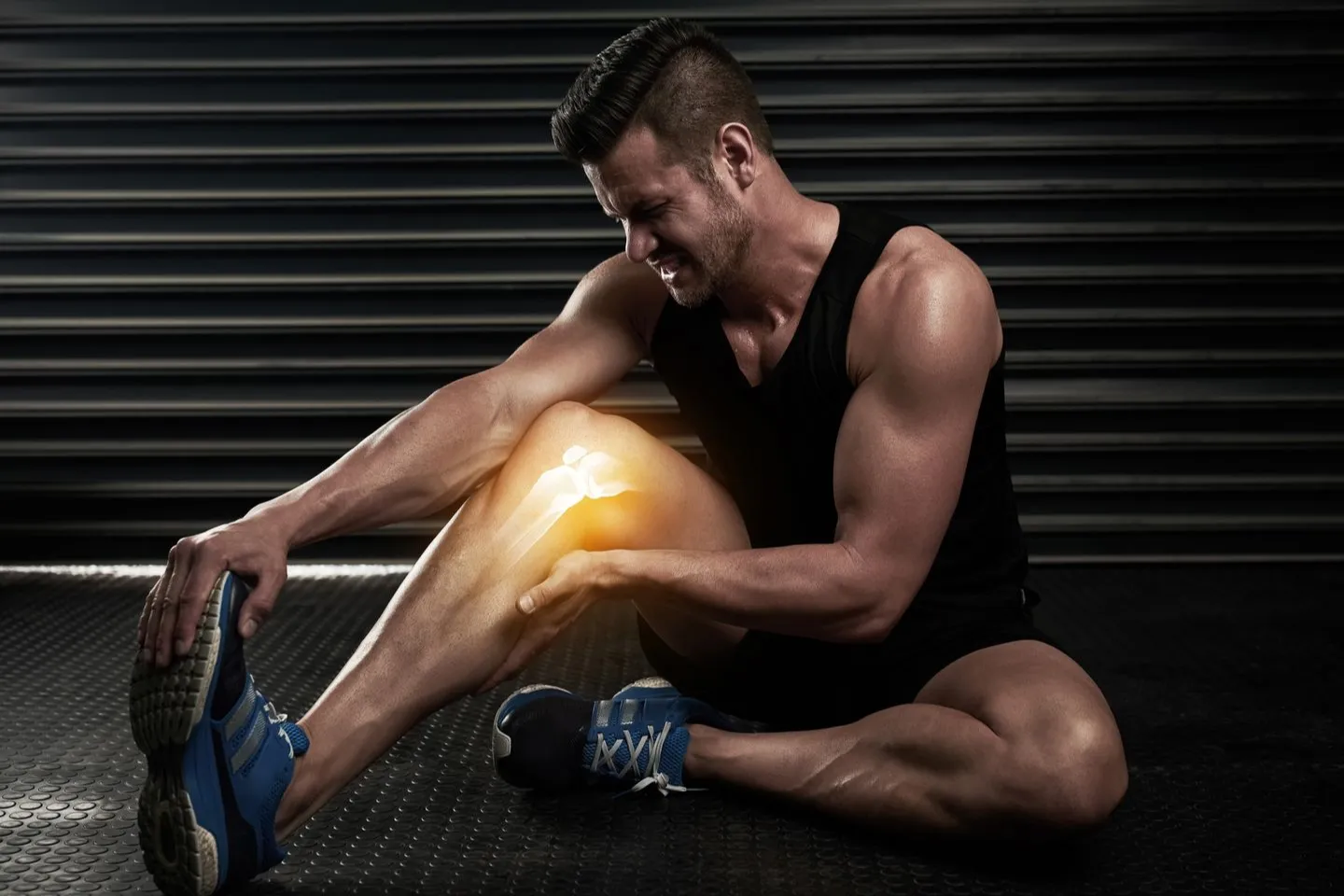
Whether you run around the park, play weekend football, attend the gym or take part in competitive sport, staying active is an important part of many people's lives. Unfortunately, injuries can happen even when you take care of yourself.
A twisted ankle, strained muscle, painful knee or persistent shoulder problem can quickly make your usual activities difficult. Knowing what to do after an injury can also be confusing. Should you rest completely? Can you exercise around it? When is it safe to return to your sport?
At our Isleworth clinic, we take a practical approach to assessing sports injuries and supporting a gradual return to activity. The focus is not simply on the area that hurts. We also consider how the injury happened, how it is affecting movement and what you want to get back to doing.
Understanding Sports Injuries
Sports injuries can happen during a single incident or develop gradually.
An ankle may roll during a football match. A hamstring may become painful while sprinting. Alternatively, knee or shoulder pain may slowly develop after repeatedly performing the same movement.
Common sports injuries
Some of the problems people seek treatment for include:
- Ankle sprains
- Muscle strains
- Knee pain
- Shoulder pain
- Tennis or golfer's elbow
- Achilles tendon problems
- Hip pain
- Lower back pain
- Sports-related neck pain
- Overuse injuries
The severity and cause of an injury can vary considerably, which is why assessment is important.
Step One: Understanding How the Injury Happened
The first part of managing an injury is understanding what happened.
During an assessment, we may ask about the movement or activity that caused your symptoms.
For example, did you land awkwardly? Did pain appear while changing direction? Did symptoms gradually develop after increasing your training?
We may also ask about previous injuries and your normal exercise routine.
Your training history matters
A sudden increase in running distance, gym sessions or training intensity can place additional demands on the body.
If your symptoms appeared after changing your routine, this is useful information when considering your treatment and rehabilitation plan.
Step Two: Assessing Movement and Function
Pain is only one part of a sports injury.
We also need to consider how the affected area is functioning.
Depending on the injury, an assessment may look at movement, strength, flexibility, balance and control.
For example, after an ankle injury, it may be useful to consider how comfortably you can move the ankle, whether your balance has changed and how well you can load the leg.
Why movement matters
You may feel better before the injured area has fully returned to normal function.
That is why returning to sport based only on whether pain has disappeared may not always be appropriate.
Rehabilitation can help you gradually rebuild the qualities needed for your chosen activity.
Step Three: Creating a Practical Treatment Plan
Once the injury has been assessed, the next step is deciding what happens next.
Treatment may include hands-on techniques, mobility work, strengthening exercises, movement retraining or advice about modifying activities.
The exact approach depends on the injury.
Treatment should fit your sport
A recreational runner and a footballer may both have ankle pain, but their demands are different.
A runner may need to tolerate repetitive impact over distance. A footballer may need to sprint, stop suddenly, change direction and kick.
Your rehabilitation should take your normal activities into account.
Step Four: Managing Activity During Recovery
One of the most common questions after an injury is whether you should stop exercising completely.
The answer depends on the type and severity of the injury.
Complete rest may sometimes be necessary initially, but prolonged inactivity is not always the goal.
In many situations, gradual movement and carefully selected exercises form part of rehabilitation.
Finding the right level of activity
You may be advised to:
- Temporarily reduce training intensity
- Avoid a particular movement
- Switch to a lower-impact activity
- Perform specific rehabilitation exercises
- Gradually increase training load
- Monitor how your symptoms respond
The aim is to help you progress without repeatedly aggravating the injury.
Step Five: Building Strength and Confidence
An injury can affect more than physical ability.
You may feel hesitant about putting weight through an ankle after a sprain or changing direction after a knee injury.
Rehabilitation can help rebuild both physical capacity and confidence in movement.
Progressive rehabilitation
Exercises may become gradually more demanding as your recovery progresses.
For example, rehabilitation could move from basic mobility and strength exercises towards balance work, controlled sport-specific movements and eventually higher-intensity activity.
Progress should be based on your individual response rather than a fixed timetable.
Step Six: Returning to Sport Gradually
Returning to your normal sport is often the main goal.
However, going straight from rehabilitation to full training can sometimes be too large a jump.
A gradual return allows you to increase demands step by step.
What a return-to-sport programme may involve
Depending on the injury, you may progress through activities such as:
- Basic movement
- Strength exercises
- Balance and control work
- Sport-specific drills
- Higher-intensity movements
- Partial training
- Full training
- Competitive activity
Not every person will need every stage, but gradual progression can help make the transition more manageable.
Sports Injury Care in Isleworth
If you have picked up an injury while playing sport in Isleworth, you may be looking for a sports injury clinic in Isleworth that can assess the problem and help you understand your options.
Local access can make follow-up appointments and rehabilitation easier to manage, particularly when recovery involves several stages.
Our approach considers your injury alongside your usual activities, training demands and recovery goals.
When Should You Seek Assessment?
Some minor injuries settle with appropriate self-care and gradual return to activity.
However, it is worth seeking an assessment if:
- Pain is not improving
- Symptoms keep returning
- You cannot perform normal movements
- Swelling persists
- You are unable to put weight through a limb
- Your injury is stopping you from exercising
- You are unsure when it is safe to return to sport
Serious injuries or significant trauma may require urgent medical assessment.
Preventing Future Sports Injuries
Treatment does not always end when your pain improves.
If appropriate, rehabilitation may also address factors that could reduce your ability to cope with your usual sporting demands.
This could involve strengthening, mobility, balance, movement control or gradually managing training loads.
Training load matters
Increasing your training volume suddenly can place additional stress on muscles, tendons and joints.
A gradual increase in workload gives your body more time to adapt.
This does not mean injuries can always be prevented, but sensible training progression can be a useful part of maintaining physical activity.
Get Support for a Sports Injury in Isleworth
If an injury is keeping you away from the activities you enjoy, arrange an assessment at our Isleworth clinic. We can discuss your symptoms, assess your movement and help you understand the next steps for rehabilitation.
FAQs
What sports injuries can physiotherapy help with?
Physiotherapy may help with a range of sports-related problems, including strains, sprains, joint pain, tendon problems and movement difficulties. The appropriate approach depends on the injury.
Should I stop exercising after a sports injury?
Not necessarily. Some injuries require rest or activity restriction, while others can be managed with modified movement. An assessment can help determine what is appropriate.
How long does it take to recover from a sports injury?
Recovery time varies considerably. It depends on the type and severity of the injury, your general health, activity demands and how your body responds to rehabilitation.
Can I return to sport as soon as my pain goes away?
Not always. Pain reduction is only one part of recovery. Strength, movement, balance and the ability to tolerate sport-specific activity may also need to be considered.
Can physiotherapy help prevent sports injuries?
Rehabilitation can address factors such as strength, mobility and movement control that may be relevant to your sporting activity. However, no approach can guarantee that an injury will not occur.
What should I do immediately after a sports injury?
The appropriate first steps depend on the injury. Avoid continuing an activity that significantly increases pain, and seek medical advice where symptoms are severe or concerning.
Can chiropractic care help alongside physiotherapy for sports injuries?
Depending on the injury and individual circumstances, chiropractic and physiotherapy care in Isleworth may form part of a wider approach to managing musculoskeletal problems.
Do I need to be an athlete to visit a sports injury clinic?
No. Sports injury services can be useful for anyone who has developed an injury while exercising, whether you play competitively, train regularly or simply enjoy occasional physical activity.
How can I return to running after an injury?
A gradual return usually involves increasing activity progressively rather than immediately returning to your previous distance and pace. The appropriate programme depends on your injury and current physical capacity.
When should I seek help for a sports injury?
Consider an assessment if symptoms persist, repeatedly return, interfere with normal movement or prevent you from returning to your usual activities.
Schedule Your Visit!
Don’t wait to feel better. Book your consultation now and let us help you move freely and live pain free.


Phone: +44 20 3137 7198



© Remedo 2026 | All rights reserved | Privacy Policy | Website Design by Remedo