Shin Splints Treatment Isleworth, London
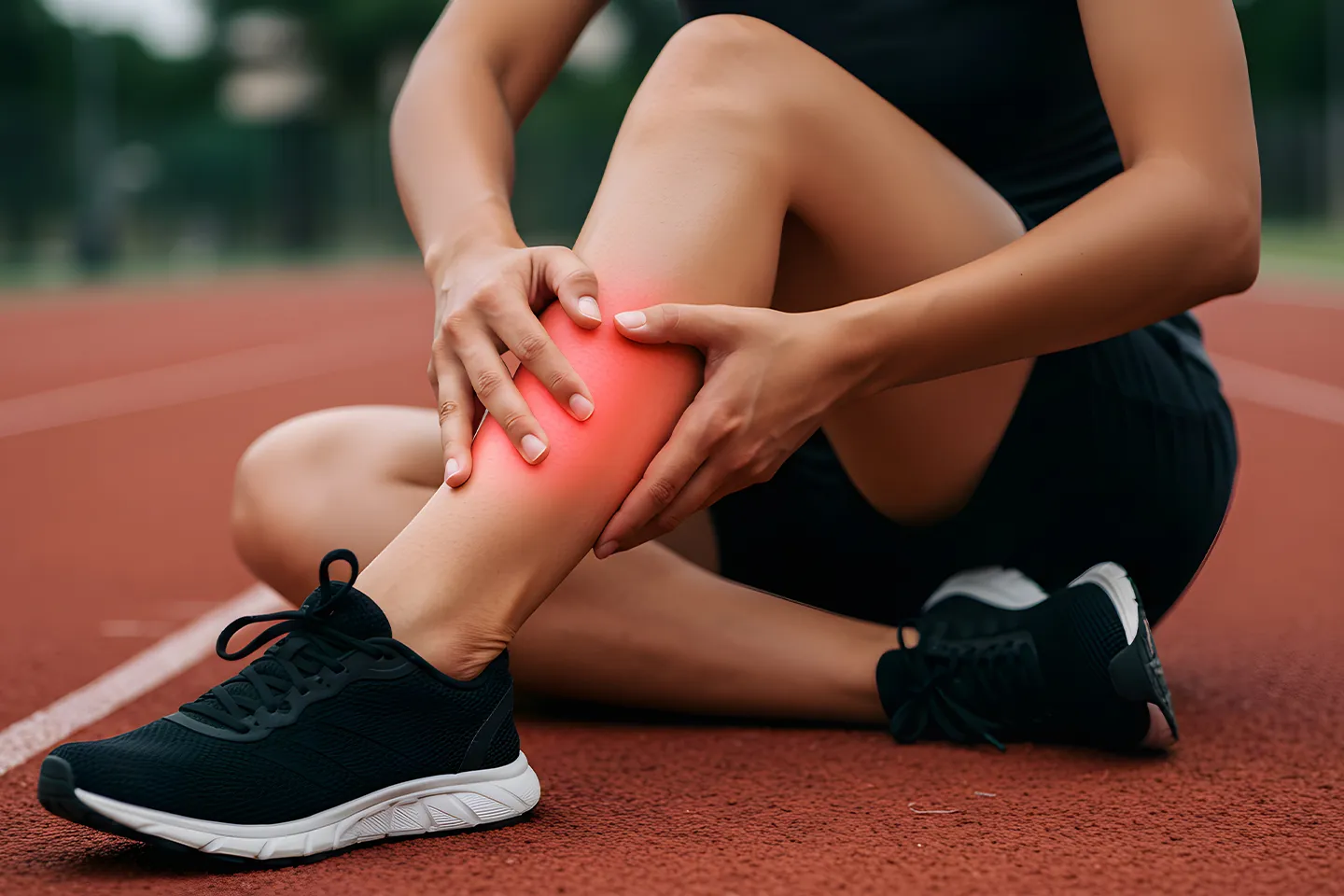
If you are struggling with pain along the front or inside of your lower leg after running, training, or exercise, professional shin splints treatment Isleworth can help you recover safely and prevent long-term damage. At Isleworth Pain and Injury, we provide personalised physiotherapy and rehabilitation plans for runners, athletes, gym-goers, and active individuals dealing with shin pain and overuse injuries.
Whether your symptoms started gradually or suddenly became worse after exercise, early treatment matters. Ignoring shin pain can lead to stress fractures, chronic inflammation, and longer recovery times.
Our clinic combines hands-on physiotherapy, movement correction, rehabilitation exercises, and sports injury care to help you return to running and activity with confidence.
Book your appointment today and start your recovery before symptoms worsen.
Quick Answer: What Are Shin Splints?
Shin splints, also known as medial tibial stress syndrome, refer to pain and inflammation along the shinbone caused by repetitive stress and overuse.
Common symptoms include:
- Pain along the inner shin
- Tenderness during or after running
- Lower leg tightness
- Pain that worsens with activity
- Mild swelling in some cases
At Isleworth Pain and Injury, our shin splints sports physio approach focuses on pain relief, recovery, movement correction, and preventing recurrence.
You can also learn more about our approach to gait and biomechanical abnormalities treatment, which often plays a key role in shin pain recovery.
Shin Splints Treatment in Isleworth, London
At Isleworth Pain and Injury, we regularly help runners, footballers, gym enthusiasts, dancers, and active professionals recover from lower leg overuse injuries.
Our clinic in Isleworth, London offers:
- Physiotherapy for shin splints
- Sports rehabilitation
- Running injury assessments
- Biomechanical evaluations
- Manual therapy
- Strength and mobility rehabilitation
- Return-to-running plans
Our integrated treatment approach combines physiotherapy and chiropractic care under one roof. According to Khalil Hussein – Senior Chiropractor & Rehab Specialist, long-term recovery depends on treating the root cause rather than simply masking pain.
For evidence-based information on sports injuries and exercise recovery, you can also visit the NHS Sports Injuries Guide.
What Is Shin Splints?
Shin splints are an overuse injury affecting the muscles, tendons, and bone tissue around the shinbone (tibia).
The condition is especially common in:
- Runners
- Sprinters
- Football players
- Dancers
- Military recruits
- People increasing training intensity too quickly
The medical term for shin splints is medial tibial stress syndrome.
The Mayo Clinic explains that repetitive impact stress is one of the most common causes of shin splints in runners and athletes.
Why You May Need Shin Splints Treatment
Many people try to “run through the pain,” but untreated shin splints can become much more serious.
You may need professional treatment if you experience:
- Shin pain after running
- Pain during walking or stairs
- Tenderness along the shinbone
- Recurring lower leg pain
- Tight calf muscles
- Reduced sports performance
- Pain that returns every time you exercise
In some cases, persistent shin pain may develop into stress reactions or stress fractures.
Early treatment leads to faster recovery and fewer complications.
If you participate in sports regularly, our sports injury prevention guide may also help reduce future injury risk.
Benefits of Shin Splints Physiotherapy
Professional shin splints physiotherapy West London patients trust can provide several important benefits:
- Faster pain reduction
- Improved lower leg mobility
- Better running mechanics
- Reduced inflammation
- Stronger muscles and tendons
- Lower risk of re-injury
- Improved athletic performance
- Safe return to sport
Many patients also notice improvements in posture, movement efficiency, and overall recovery when paired with biomechanical correction therapy.
The Chartered Society of Physiotherapy also highlights the importance of physiotherapy in managing repetitive sports injuries and improving long-term mobility.
What to Expect During Your Visit
Your first appointment at our sports injury clinic Isleworth includes a detailed assessment to understand why your shin pain developed.
We evaluate:
- Running mechanics
- Foot posture
- Muscle imbalances
- Calf flexibility
- Training habits
- Footwear
- Hip and ankle mobility
- Load tolerance
Treatment may include:
- Hands-on physiotherapy
- Soft tissue therapy
- Sports massage
- Stretching techniques
- Strengthening exercises
- Mobility drills
- Rehabilitation planning
- Return-to-running guidance
We may also recommend activity modification while healing progresses.
Our team believes in transparent care with realistic timelines rather than quick fixes.
You can learn more about how rehabilitation supports recovery on our physiotherapy recovery blog.
Shin Splints Treatment Options
Every patient receives a tailored treatment plan depending on symptom severity and activity level.
Physiotherapy
Physiotherapy helps reduce pain, improve mobility, and rebuild tissue resilience through progressive rehabilitation.
Sports Rehabilitation
Sports rehab focuses on restoring strength, endurance, and movement patterns needed for running and athletics.
Manual Therapy
Hands-on treatment can reduce muscular tension and improve mobility around the ankle, calf, and foot.
Running Biomechanics Correction
Poor running form often contributes to recurring shin pain. Our biomechanical assessments help identify contributing movement patterns.
Exercise Rehabilitation
Targeted shin splints exercises recovery programmes may include:
- Calf strengthening
- Tibialis strengthening
- Balance training
- Foot stability work
- Mobility drills
- Gradual impact progression
Chiropractic Support
In some cases, spinal or pelvic mechanics may contribute to altered loading during movement. Combined physiotherapy and chiropractic care may help optimise recovery.
Read more about the difference between therapies here:
Physio vs Chiropractic Care.
For additional sports medicine guidance, the American Academy of Orthopaedic Surgeons provides detailed information about shin splints causes and recovery.
Cost of Shin Splints Treatment in Isleworth
The cost of treatment depends on the complexity of your condition and how many sessions are needed.
Typical physiotherapy appointments in London may range between:
- Initial assessment: £60–£120
- Follow-up sessions: £50–£100
Some patients improve within a few sessions, while chronic or recurrent cases may require ongoing rehabilitation.
If imaging or specialist referrals are needed, additional costs may apply.
We always discuss treatment recommendations and expected timelines clearly before beginning care.
You can contact our clinic directly through our contact page to discuss appointment availability and treatment options.
Why Choose Isleworth Pain and Injury?
Choosing the right clinic matters when recovering from sports injuries.
Patients choose Isleworth Pain and Injury because we provide:
- Personalised rehabilitation plans
- Evidence-based physiotherapy
- Sports injury expertise
- Integrated chiropractic and physio care
- Honest recovery guidance
- Hands-on treatment
- Patient-focused support
- Long-term injury prevention strategies
Our clinic regularly works with runners, athletes, office workers, and active adults throughout West London.
We also take time to educate patients on prevention and recovery rather than rushing through appointments.
Our team’s integrated approach is designed to address both symptoms and underlying movement dysfunctions.
You can also explore our patient-focused approach on the About Us page.
Book Your Shin Splints Consultation Today
Persistent shin pain should never be ignored.
At Isleworth Pain and Injury, we help active people recover from overuse injuries with evidence-based physiotherapy and rehabilitation designed for long-term results.
Whether you are dealing with runner’s shin pain relief, recurring lower leg pain, or early signs of medial tibial stress syndrome, our team is here to help.
Call now to schedule your consultation and start moving comfortably again.
Schedule Your Visit!
Don’t wait to feel better. Book your consultation now and let us help you move freely and live pain free.


Phone: +44 20 3137 7198



© Remedo 2026 | All rights reserved | Privacy Policy | Website Design by Remedo