Runner’s Knee
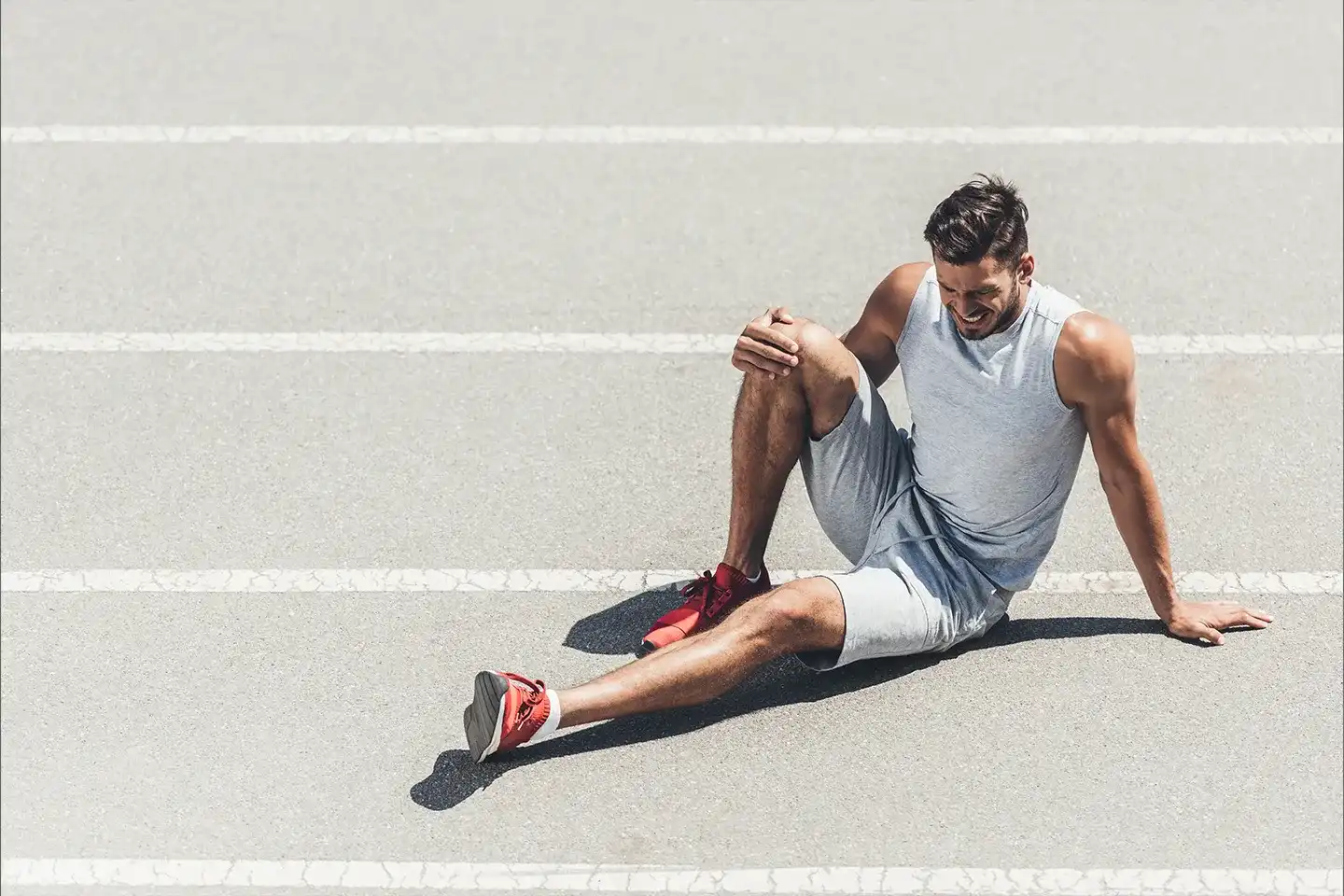
Knee pain that kicks in after a jog, lingers on the stairs, or nags when you sit for too long? That could be Runner’s knee — and despite the name, you don’t need to be a marathoner to suffer from it.
At Isleworth Pain and Injury Clinic, we help people of all activity levels recover from this common condition, so they can get back to doing what they love without the limp, ache or frustration.
What Is Runner’s knee?
Also known as patellofemoral pain syndrome, Runner’s knee describes pain at the front of the knee, around or behind the kneecap (patella). It often happens when the kneecap isn’t tracking properly during movement, placing stress on surrounding tissues.
While runners are frequent sufferers, it can affect
- Cyclists
- Hikers
- Gym-goers
- Office workers who sit for long hours
- Anyone with poor lower limb alignment or muscle imbalances
Common Symptoms Of Runner’s knee
Wondering if that niggle in your knee is more than just tired joints? Here’s what to look out for:
- Dull, aching pain around or behind the kneecap
- Pain that worsens with movement — running, squatting, climbing stairs
- Discomfort after sitting for long periods
- Grinding or popping sounds when bending the knee
- Mild swelling around the knee joint
What Causes Runner’s knee?
Runner’s knee is usually caused by repetitive stress and poor biomechanics. Contributing factors include:
- Weak thigh, hip, or glute muscles
- Overpronation (foot rolling inward)
- Tight hamstrings or calves
- Improper footwear or training surfaces
- Sudden increase in physical activity
- Poor kneecap tracking due to muscle imbalances
Ignoring it can make things worse, which is why early care matters.
How We Treat Runner’s knee At Isleworth Pain And Injury Clinic
We don’t believe in a one-size-fits-all fix. At Isleworth Pain and Injury Clinic, we take the time to understand what’s causing your knee pain and then tailor a treatment that works with your body and lifestyle.
Your treatment may include:
- Manual therapy to relieve muscle tension and improve knee mobility
- Chiropractic adjustments to correct misalignments in your hips, pelvis, or lower back
- Gait and posture assessment to identify stress patterns
- Rehab exercises to strengthen the glutes, quads and core
- Training guidance to modify your routine safely
How We Help With Chiropractic & Physiotherapy
Our team combines chiropractic care and physiotherapy to deliver fast, lasting results:
- Chiropractic: Aligns your spine and lower limbs to reduce abnormal stress on your knee.
- Physiotherapy: Builds strength and mobility where you need it most, especially in the hips, glutes, and quads.
Together, they help restore function, reduce pain and prevent the problem from coming back.
FAQ
Q: What's causing my knee pain?
A: Knee pain has quite a few common causes - runner's knee, osteoarthritis, meniscal injuries, ligament sprains, and IT band syndrome are among the most frequent. A thorough assessment is the best way to pinpoint your specific cause so treatment is targeted correctly from the start.
Q: Can physiotherapy help knee pain without surgery?
A: In the vast majority of cases, yes. Physiotherapy, exercise rehabilitation, and manual therapy resolve most knee conditions effectively - including many that might otherwise be heading towards surgery. It's always worth trying conservative treatment first.
Q: How long does runner's knee take to heal?
A: With good treatment and sensible load management, runner's knee typically improves within 6–12 weeks. A graded return-to-running programme is a key part of the process - it's what reduces the risk of it flaring straight back up when you get back out there.
Q: Should I rest my knee or keep moving?
A: Complete rest is almost never the answer. What we recommend is relative rest - stepping back from the activities that aggravate it while keeping up with gentle, appropriate movement. This keeps the tissues healthy and prevents the weakness and stiffness that comes with doing nothing.
Q: Can knee pain be caused by problems in my hip or back?
A: Yes, and it's a really important thing to check. Weakness in the hip muscles or altered movement patterns from the lower back are a surprisingly common driver of knee pain - especially in runners. Treating the knee alone without addressing these factors often leads to symptoms coming back.
Q: How does physiotherapy treat knee pain?
A: We look at the whole lower limb, not just the knee in isolation. Treatment combines strengthening exercises for the quads, hamstrings, and hips, improving how you move, and a carefully graded return to the activities you love.
Q: Can chiropractic help with knee pain?
A: Yes. Chiropractors look at the knee in the context of the hip, pelvis, and foot mechanics - because that's often where the problem originates. Joint adjustments combined with soft tissue therapy can reduce pain and get the knee moving properly again.
Don’t Let Runner’s knee Take You Off Track
Whether you’re pounding the pavement or just chasing the kids around the park, knee pain shouldn’t be part of your routine. At Isleworth Pain and Injury Clinic, we’ll help you move pain-free again, with expert care that goes beyond rest and ice packs.
Book your appointment today, and let’s get your knees (and confidence) back on track!
Schedule Your Visit!
Don’t wait to feel better. Book your consultation now and let us help you move freely and live pain free.


Phone: +44 20 3137 7198



© Remedo 2026 | All rights reserved | Privacy Policy | Website Design by Remedo