Groin Strain Treatment Isleworth, London
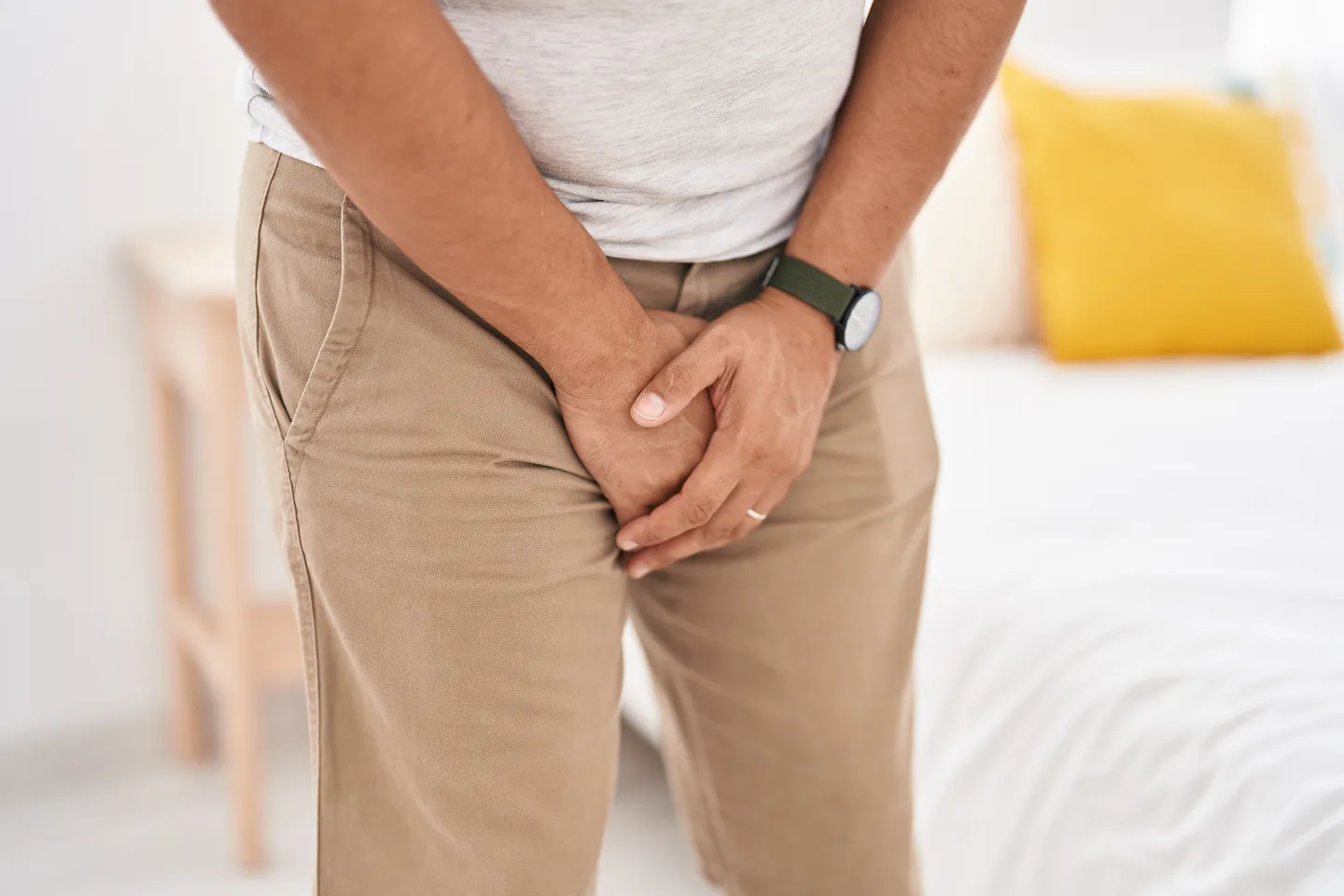
Groin pain can make everyday movement difficult, especially if you enjoy running, football, gym training, or sports. At Isleworth Pain and Injury, we provide professional groin strain treatment Isleworth patients can rely on for fast pain relief, mobility recovery, and long-term injury prevention.
Whether you are dealing with a mild pulled muscle or ongoing sports-related groin pain, our experienced physiotherapy team creates personalised treatment plans designed around your activity level, lifestyle, and recovery goals.
We regularly help:
· Football players with sudden groin pulls
· Runners experiencing inner thigh pain
· Gym-goers with hip flexor tightness
· Athletes recovering from sports injuries
· Active adults struggling with movement limitations
Early treatment often leads to faster recovery and reduces the risk of recurring injury. Don’t wait until symptoms worsen.
Call Now to book your assessment at Isleworth Pain and Injury.
Quick Answers About Groin Strains
· A groin strain is an injury to the muscles or tendons in the inner thigh area.
· Mild strains may heal within 2–6 weeks, while severe injuries can take longer.
· Physiotherapy helps reduce pain, improve movement, and support safe recovery.
· Sports injuries should be treated early to prevent chronic instability or repeated strain.
· Treatment may include manual therapy, rehabilitation exercises, sports massage, and mobility correction.
If you are searching for groin strain physiotherapy West London or sports rehabilitation near Isleworth, our clinic can help.
Groin Strain Treatment in Isleworth, London
At Isleworth Pain and Injury, we provide evidence-based physiotherapy and rehabilitation for sports injuries affecting the groin, hip flexors, pelvis, and inner thigh muscles.
Our clinic supports patients from Isleworth, Twickenham, Richmond, Hounslow, Brentford, and nearby West London areas.
We combine hands-on physiotherapy with exercise rehabilitation to address:
· Muscle tears
· Pulled groin injuries
· Hip flexor strain injuries
· Sports-related groin pain
· Reduced mobility and stiffness
· Weakness after injury
Patients looking for related services often also explore our sports injury rehabilitation services, physiotherapy treatments, and chiropractic care services for comprehensive recovery support. If you are ready to begin treatment, you can also visit our contact and appointment booking page.
What Is a Groin Strain?
A groin strain is a stretch or tear in the muscles located in the inner thigh or groin region, commonly affecting the adductor muscles.
This injury often happens during sudden twisting, sprinting, kicking, lunging, or rapid directional changes. Football players, runners, weightlifters, and athletes are particularly vulnerable.
A groin strain can range from:
1. Mild overstretching
2. Partial muscle tearing
3. Severe tearing with significant pain and weakness
Without proper rehabilitation, the injury can become chronic and continue affecting performance.
Why You May Need Groin Strain Treatment
You may benefit from physiotherapy if you experience:
· Sharp or dull pain in the groin area
· Pain when walking, running, or climbing stairs
· Difficulty changing direction during sports
· Tightness in the inner thigh muscles
· Bruising or swelling
· Reduced hip mobility
· Weakness during movement
· Pain when lifting the knee
Many patients searching for groin pain treatment Woking or groin injury sports physio Twickenham are often dealing with untreated muscle strain that has gradually worsened over time.
Early diagnosis helps identify the severity of the injury and prevents compensation patterns that may lead to hip, knee, or lower back pain.
Book Appointment Today if your symptoms have lasted more than a few days.
Benefits of Groin Strain Physiotherapy
Professional rehabilitation offers more than temporary pain relief.
Benefits may include:
· Reduced pain and inflammation
· Faster groin strain recovery
· Improved flexibility and mobility
· Better muscle strength and balance
· Lower risk of reinjury
· Improved sports performance
· Safe return to training and activity
· Enhanced hip and pelvic stability
At Isleworth Pain and Injury, we focus on treating the root cause rather than masking symptoms.
Patients with related mobility problems may also benefit from complementary rehabilitation approaches available through our physiotherapy and movement assessment services.
What to Expect During Your Visit
Your first appointment includes a detailed physical assessment.
We evaluate:
· Pain location and severity
· Movement restrictions
· Hip and pelvic alignment
· Muscle strength
· Walking and movement patterns
· Sports or activity history
Your physiotherapist will then explain:
· The likely grade of the strain
· Estimated groin injury recovery time
· Recommended treatment approach
· Exercises to avoid
· Recovery milestones
Treatment plans are personalised because no two injuries recover the same way.
Most appointments last between 30–60 minutes.
Types of Groin Strain Treatment Options
Manual Physiotherapy
Hands-on treatment helps reduce tension, improve circulation, and restore movement.
Sports Massage Therapy
Soft tissue therapy can help decrease muscle tightness and support healing.
Rehabilitation Exercises
Progressive strengthening and mobility work are essential for long-term recovery.
Stretching and Mobility Training
Controlled stretching helps restore flexibility safely.
Shockwave Therapy
In some persistent cases, advanced therapies may help stimulate healing.
Postural and Movement Correction
Biomechanical imbalances may contribute to recurring groin injuries.
Chiropractic Support
Some patients benefit from combined physiotherapy and chiropractic treatment for pelvic or hip alignment issues.
If you are also dealing with hip tightness, our clinic can help with hip flexor strain treatment London programmes tailored for active adults and athletes.
How Long Does Groin Strain Recovery Take?
One of the most common questions we hear is: How long for groin strain to heal?
Recovery depends on injury severity, age, activity level, and treatment consistency.
Typical timelines include:
· Mild strain: 2–4 weeks
· Moderate strain: 4–8 weeks
· Severe tear: 8–12+ weeks
Pulled groin muscle recovery time can vary significantly if the injury is ignored or aggravated too early.
Following your physiotherapy plan closely improves outcomes and helps reduce setbacks.
If you are wondering how to heal a groin strain, the safest approach includes:
· Early assessment
· Relative rest
· Guided rehabilitation
· Progressive strengthening
· Gradual return to sport
Cost of Groin Strain Treatment in Isleworth
The cost of physiotherapy varies depending on the severity of the injury and the number of sessions required.
Typical pricing in West London may include:
· Initial physiotherapy consultation: £50–£90
· Follow-up sessions: £45–£80
· Sports massage sessions: Additional charges may apply
· Rehabilitation programmes: Based on treatment duration
We believe in transparent care and will explain all recommended treatment options clearly before beginning therapy.
Some patients may require multiple sessions for optimal recovery, especially athletes returning to high-impact sports.
Why Choose Isleworth Pain and Injury?
Choosing the right clinic matters when recovering from a sports injury.
At Isleworth Pain and Injury, we focus on patient-centred rehabilitation designed to restore movement, confidence, and performance.
Why patients choose us:
· Experienced sports injury physiotherapists
· Personalised rehabilitation plans
· Evidence-based treatment methods
· Focus on long-term recovery
· Friendly and supportive environment
· Convenient Isleworth location
· Treatment for both acute and chronic injuries
· Support for athletes and active adults
We understand how frustrating sports injuries can be because we regularly work with runners, football players, gym enthusiasts, and active professionals trying to return to full activity safely.
Our team takes time to explain every stage of your recovery.
Schedule Your Consultation Today and start your recovery with professional support.
Who Is a Good Candidate for Treatment?
You may be a suitable candidate if you:
· Play sports regularly
· Recently pulled a groin muscle
· Experience recurring inner thigh pain
· Feel stiffness when running or training
· Have reduced hip flexibility
· Want professional rehabilitation guidance
· Need support returning to sports safely
Both recent and long-standing injuries can improve with structured physiotherapy.
Risks and Limitations
Like all musculoskeletal injuries, groin strains can vary in severity.
Potential limitations include:
· Recovery may take longer in severe tears
· Returning to sport too early increases reinjury risk
· Some patients require ongoing rehabilitation
· Chronic injuries may involve surrounding hip or pelvic dysfunction
Physiotherapy is generally safe when guided by trained professionals. However, treatment success also depends on patient consistency and following home exercise recommendations.
We avoid over-promising and focus on realistic recovery goals tailored to your condition.
Groin Strain Recovery Guidelines and Aftercare
Successful recovery does not stop after the clinic session.
Your physiotherapist may recommend:
· Gradual return to activity
· Home mobility exercises
· Strengthening routines
· Ice or heat application
· Proper warm-up techniques
· Load management strategies
· Sports-specific conditioning
Avoid intense exercise too early, even if symptoms improve quickly.
Pulled groin recovery treatment works best when rehabilitation progresses step by step.
Serving Isleworth and Nearby Areas
Isleworth Pain and Injury proudly supports patients across:
· Isleworth
· Twickenham
· Richmond
· Brentford
· Hounslow
· Chiswick
· West London
Whether you are a weekend runner, amateur football player, or active professional, our clinic provides tailored physiotherapy care designed around your recovery goals.
Patients searching online for groin strain physiotherapy West London or sports injury rehabilitation near Twickenham can access personalised treatment plans at our Isleworth clinic.
Book Your Groin Strain Assessment Today
Groin injuries rarely improve properly without the right rehabilitation.
Delaying treatment may increase pain, prolong recovery, and raise the risk of future injury.
At Isleworth Pain and Injury, we help active adults recover safely with personalised physiotherapy and sports rehabilitation.
Call Now to speak with our team.
Book Appointment Online for your groin strain assessment
Schedule Your Consultation Today and take the first step toward lasting recovery.
FAQs
What is the fastest way to recover from a groin strain?
The fastest recovery usually involves early physiotherapy, controlled rest, progressive strengthening, and avoiding activities that worsen the injury.
How long does pulled groin recovery treatment take?
Mild injuries may improve within a few weeks, while moderate or severe strains can require several months of rehabilitation.
Can I still exercise with a groin strain?
Light movement may be appropriate in some cases, but intense activity can worsen the injury. A physiotherapist can guide safe exercises during recovery.
What causes groin strains in athletes?
Sudden twisting, sprinting, kicking, poor warm-up routines, muscle weakness, and overtraining commonly contribute to groin injuries.
Do I need physiotherapy for a mild groin strain?
Even mild strains can benefit from professional guidance to reduce reinjury risk and speed up recovery.
Is groin pain always caused by a muscle strain?
No. Groin pain can also relate to hip problems, tendon injuries, hernias, or pelvic issues. Proper assessment is important.
What should I avoid during groin strain recovery?
Avoid sprinting, explosive movements, heavy lifting, and stretching aggressively too early during recovery.
Can physiotherapy help prevent future groin injuries?
Yes. Physiotherapy can improve strength, flexibility, movement patterns, and sports mechanics to help reduce reinjury risk.
How do I know if my groin strain is severe?
Severe strains may involve significant bruising, swelling, weakness, difficulty walking, or sudden sharp pain. A professional assessment is recommended.
When should I book treatment for groin pain?
If pain persists for more than a few days, worsens during activity, or limits movement, it is best to seek professional evaluation.
Schedule Your Visit!
Don’t wait to feel better. Book your consultation now and let us help you move freely and live pain free.


Phone: +44 20 3137 7198



© Remedo 2026 | All rights reserved | Privacy Policy | Website Design by Remedo