
How Can You Tell the Difference Between Sciatica and Lower Back Pain?
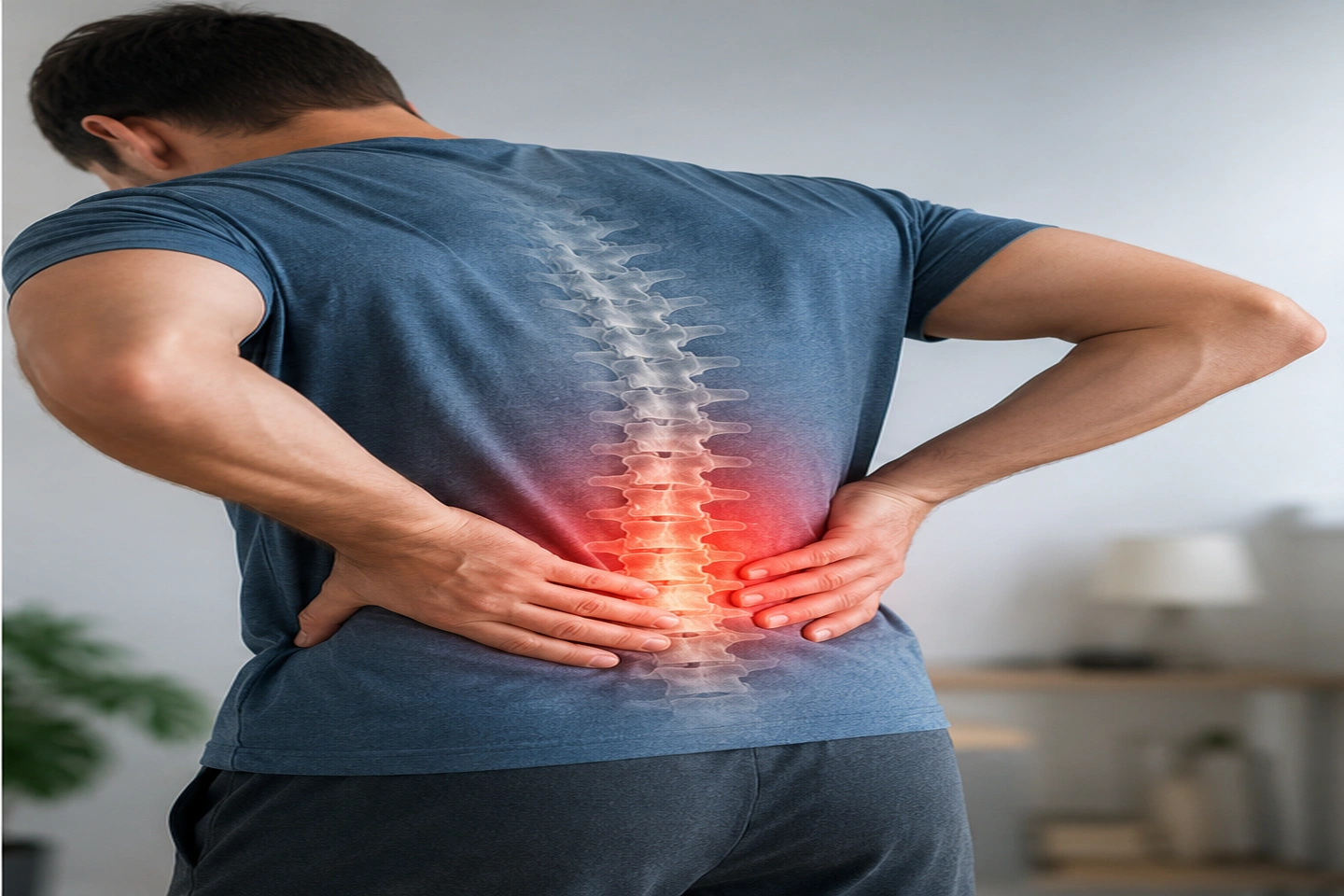
You wake up, and before you've even had your first cup of tea, you already know it's going to be one of those days. Bending down to feed the cat. Reaching for a mug on the top shelf. Even just getting out of bed feels like a negotiation with your own body. But is it your back that's the problem, or is something else going on, like a nerve issue running down your leg? For many people living near Isleworth, this is a genuinely confusing question. And it affects far more than just comfort. It affects whether you can drive to work, sit through a meeting, cook dinner, or sleep through the night without shifting position every ten minutes.
Understanding the difference between sciatica and lower back pain isn't just an academic exercise. It shapes how you manage your day, what you might need to change about your routine, and how long you're likely to be dealing with discomfort before things start to settle. At Isleworth Pain and Injury Clinic, we speak to people every week who assumed their pain was "just their back" when it was actually sciatica, or the other way round. Getting this right early on can make a real difference to your day-to-day life.
The Everyday Impact Before We Talk About the Clinical Side
Before we get into nerves and muscles, let's talk about what this actually looks like in daily life. Because that's usually what brings people through our door.
Your Morning Routine
Lower back pain tends to make itself known first thing, especially stiffness after lying still all night. You might struggle to sit up, twist to grab your dressing gown, or bend to put your socks on. Sciatica, on the other hand, often shows up as a sharp, shooting sensation that runs from your lower back or buttock down one leg, sometimes reaching as far as your foot. It can make standing up from a chair or getting out of the car feel like stepping on a live wire.
Sitting, Working, and Concentration
If you work at a desk, both conditions can be miserable, but for different reasons. General lower back pain tends to feel like a dull ache that builds the longer you sit, easing slightly when you stand and stretch. Sciatica can be worse when sitting, with pain, tingling, or numbness travelling down the leg. Sometimes it's hard to concentrate on anything else at all.
Eating, Cost, and Time
It sounds unrelated, but ongoing pain changes how people eat. Standing to cook becomes tiring, so people reach for quicker, less balanced meals instead. There's also the financial and time cost to think about. Repeated GP visits. Over-the-counter painkillers that only take the edge off. Missed work days, and the constant mental load of adjusting plans around your pain. Many people tell us they tried to "wait it out" for weeks or months before seeking help, and honestly, that usually just meant more time off work and more money spent on short-term fixes that never touched the actual cause.
What's Actually Happening in Your Body
Lower Back Pain Explained
General lower back pain usually comes from strain in the muscles, ligaments, or joints of the spine. This might be caused by poor posture, heavy lifting, sitting for long periods, or simply overdoing it during exercise or gardening. The pain typically stays localised to the lower back, sometimes spreading slightly into the buttocks. It tends to respond to rest, gentle movement, and time.
Sciatica Explained
Sciatica is different because it involves the sciatic nerve, which runs from your lower back through your buttock and down the back of each leg. When something, often a disc bulge or irritation near the spine, presses on or irritates this nerve, it can cause pain that travels well beyond the back itself. That's why sciatica often brings tingling, numbness, or a burning sensation down one leg, rather than pain that just stays put.
Key Signs to Help You Tell Them Apart
Location of the Pain
Lower back pain generally stays in the lower back region. Sciatica, by contrast, radiates down one leg, often past the knee, and sometimes into the foot or toes.
Type of Sensation
Muscular lower back pain tends to feel like a dull ache, tightness, or stiffness. Sciatica often feels sharper. Shooting, burning, sometimes like an electric shock, and often paired with pins and needles or numbness.
What Makes It Worse
Lower back pain often worsens with certain movements like bending or twisting. Sciatica can worsen with sitting for long periods, coughing, sneezing, or standing up quickly, because these movements increase pressure on the irritated nerve.
One-Sided vs Central
Sciatica is usually one-sided, affecting just one leg. Lower back pain is often more central, though it can occasionally lean to one side depending on the cause.
Why Getting the Right Assessment Matters
These two conditions can feel similar in the early stages, and sciatica is sometimes mistaken for plain old stiffness. That's exactly why a proper assessment matters. At Isleworth Pain and Injury Clinic, our team (which includes a chiropractor in Isleworth with a special interest in spinal and nerve related pain) takes the time to understand your symptoms, how they developed, and how they're affecting your daily routine. This helps build a clearer picture of whether you're dealing with mechanical back pain, nerve irritation, or a combination of both.
Treatment approaches often differ depending on the cause. Mechanical lower back pain frequently responds well to manual therapy, targeted exercises, and gradual movement. Sciatica may need a more specific approach that addresses the nerve irritation itself, alongside supporting the surrounding muscles and joints. Getting an accurate picture from the start means you're not wasting weeks on an approach that was never going to match what's actually going on.
Ready to Get Started?
If you're in Isleworth or the surrounding area and you're unsure whether your pain is coming from your back, your nerve, or both, it's worth getting it looked at properly rather than guessing. Isleworth Pain and Injury Clinic offers thorough assessments designed to identify the actual source of your discomfort, so you can move forward with a plan that suits your specific situation. Bottom line, getting in touch sooner rather than later often means less disruption to your work, your sleep, and your daily routine.
FAQs
Can sciatica happen without any back pain at all?
Yes, it's possible to experience leg pain, tingling, or numbness with little to no discomfort in the lower back itself. This happens because the irritation is affecting the nerve pathway rather than the back structures directly.
How long does sciatica usually last?
This varies from person to person depending on the underlying cause and how it's managed. Some people notice improvement within a few weeks with appropriate care, while others may need a longer, more structured approach.
Is it safe to keep exercising with lower back pain or sciatica?
Gentle movement is often encouraged, but the type and intensity of exercise should be guided by an assessment, since certain movements may aggravate symptoms depending on the underlying cause.
When should I see someone about back or leg pain?
If pain persists beyond a few days, worsens over time, spreads down your leg, or affects your ability to carry out daily tasks, it's a good idea to get it assessed rather than waiting for it to resolve on its own.
Does sitting all day make sciatica worse?
For many people, yes. Prolonged sitting can increase pressure on the lower spine and the sciatic nerve, which is why symptoms often feel worse after long periods at a desk or in the car.
Schedule Your Visit!
Don’t wait to feel better. Book your consultation now and let us help you move freely and live pain free.


Phone: +44 20 3137 7198




© Remedo 2026 | All rights reserved | Privacy Policy | Website Design by Remedo