Pain During Pregnancy: What's Normal, What's Not, and When to Get Help
Author: Malaika Hussain, M.Chiro — Chiropractor & Women's Health Specialist
Pregnancy changes your body faster than almost anything else — and with those changes comes a lot of discomfort. Short answer: Some pain during pregnancy is completely normal, but not all of it should be ignored, and most of it can be significantly reduced with the right support.
Before you start Googling at 2 am, here's a quick guide:
- Lower back ache, pelvic heaviness, and round ligament twinges are common and expected.
- Sciatica, pelvic girdle pain, and severe or one-sided pain need professional attention.
- Chiropractic care is safe during pregnancy and can reduce pain significantly.
- Sharp chest pain, vision changes, or severe headache require urgent medical care.
Why Does Pregnancy Cause So Much Pain?
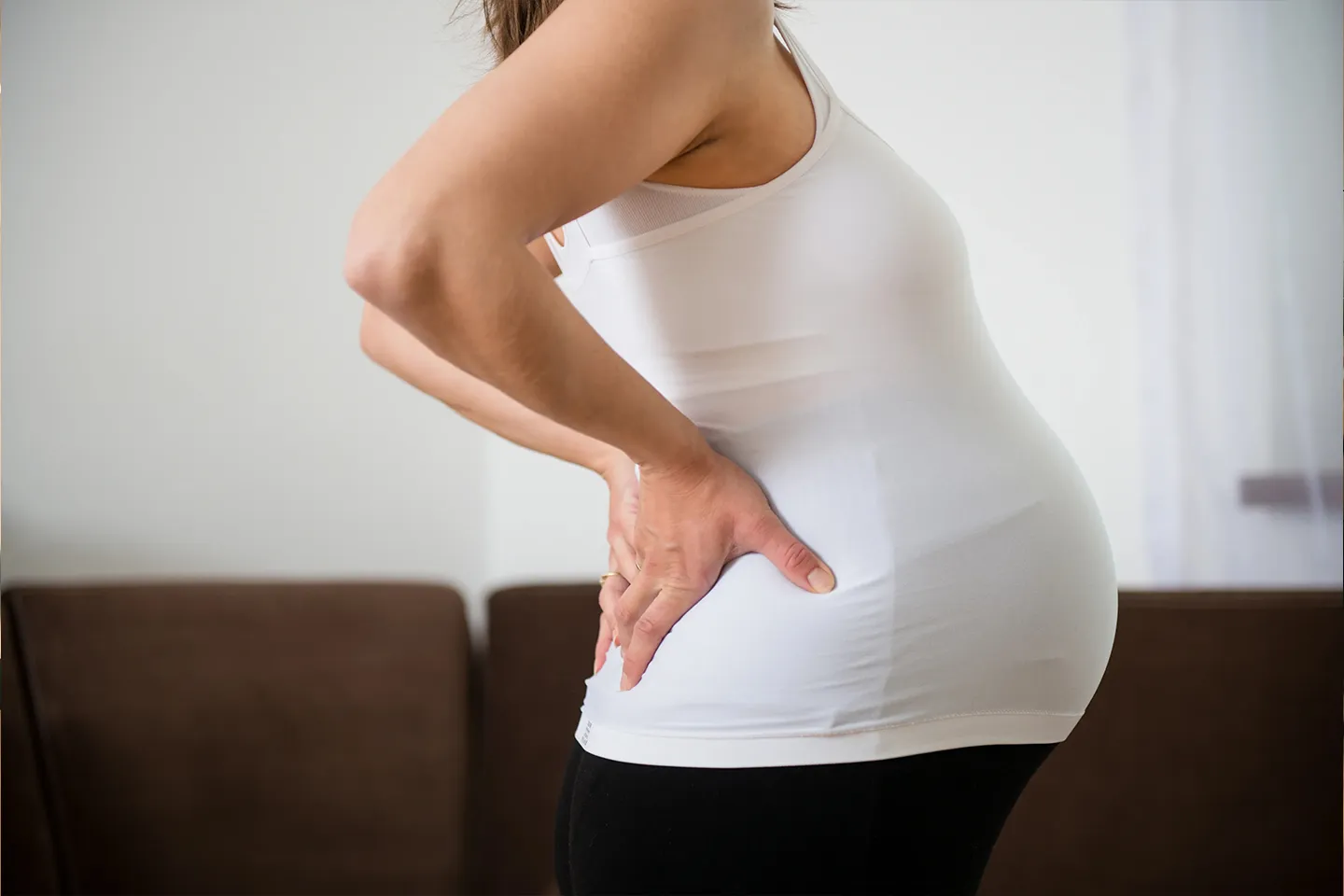
Your body goes through structural and hormonal changes from the first trimester onwards. A hormone called relaxin loosens the ligaments that stabilise your pelvis and joints — which is necessary for birth, but also means less support for your lower back and hips day-to-day.
As your bump grows, your centre of gravity shifts forward. Your lower back curves more, your hips tilt, and muscles that were never designed to carry that load begin to strain. Add disrupted sleep, reduced movement, and postural changes at work or home, and it becomes clear why pain is so common.
None of this is your fault — it's your body adapting. But adaptation doesn't mean you have to suffer through it.
What Pregnancy Pain Is Considered Normal?
These are common, well-documented discomforts in pregnancy. Uncomfortable, yes — but generally not a cause for concern:
Lower back pain: Affects up to 80% of pregnant women. Usually a dull, persistent ache across the lower back that worsens with prolonged sitting or standing.
Round ligament pain: Sharp, stabbing pain in the lower abdomen or groin, usually on one side. Happens when the ligaments supporting the uterus stretch quickly — often triggered by standing up, coughing, or rolling over in bed. Tends to be brief and resolves on its own.
Pelvic heaviness: A feeling of pressure or weight in the pelvis, especially in the second and third trimesters. Often related to the baby's position and gravity.
Rib discomfort: As the uterus expands upward, it can push against the ribcage. This leads to an achy, bruised feeling around the lower ribs — common from around 28 weeks.
Leg cramps: Particularly at night. Often linked to changes in circulation and mineral levels.
Which Pregnancy Pains Need Professional Attention?
Some discomfort during pregnancy signals a specific condition that benefits from targeted treatment — not just rest.
Pelvic Girdle Pain (PGP): One of the most common reasons pregnant women seek help. PGP causes pain in the front or back of the pelvis, sometimes extending into the thighs. It's caused by the pelvic joints becoming unstable. Without treatment, it often worsens as the pregnancy progresses. Chiropractic assessment and specific exercises can make a significant difference.
Sciatica: A sharp, shooting pain that travels from the lower back or buttock down into one leg. Often caused by the baby's position or increased pressure on the sciatic nerve. It doesn't resolve on its own and usually needs targeted soft tissue and spinal work.
Symphysis pubis dysfunction (SPD): Pain at the front of the pelvis, often described as a sharp pain when walking, climbing stairs, or turning in bed. This is a form of pelvic girdle pain that can become debilitating if unmanaged.
Severe or worsening upper back pain: While some mid-back discomfort is expected, severe or progressive upper back pain — especially with rib pain on one side — should be assessed.
Can Chiropractic Care Help With Pregnancy Pain?
Yes — and it's safer than many patients assume. Chiropractic care during pregnancy doesn't involve any techniques that put pressure on the abdomen. Malaika uses adapted positions, gentle mobilisation, and soft tissue work that are appropriate at every stage of pregnancy.
The goals are straightforward: restore pelvic alignment, reduce muscle tension, and improve joint mobility so your body can adapt to its changing demands with less pain.
Patients across Isleworth, Twickenham, Richmond, and Hounslow come to us specifically during pregnancy because they want a clinician who understands both the musculoskeletal and women's health picture — not just one or the other. As a chiropractor with a specialism in women's health, Malaika brings both.
Red Flags — Contact Your Midwife or GP Immediately If You Experience:
- Suddenly, severe abdominal pain or cramping
- Vaginal bleeding at any stage
- 9A severe headache that doesn't respond to rest or paracetamol
- Sudden swelling in your face, hands, or feet
- Visual disturbances (blurred vision, flashing lights)
- Pain or burning when urinating, or reduced fetal movement
- Chest pain or difficulty breathing
These symptoms require urgent medical attention and are outside the scope of chiropractic care.
FAQ
Q: Is it safe to have chiropractic treatment during pregnancy?
A: Yes. Malaika uses pregnancy-adapted techniques with no abdominal pressure. Chiropractic care is considered safe throughout all three trimesters.
Q: When should I seek help for pregnancy back pain?
A: If pain is affecting your sleep, mobility, or daily tasks, don't wait. Earlier treatment leads to better outcomes.
Q: What is pelvic girdle pain in pregnancy?
A: It's pain in the pelvis caused by instability in the pelvic joints. It affects up to 1 in 5 pregnant women and responds well to chiropractic care.
Q: Can pregnancy sciatica be treated without medication?
A: Yes. Soft tissue therapy and gentle spinal mobilisation can reduce sciatic pain without the need for medication.
Q: How many sessions will I need?
A: This depends on the condition and how far along you are. Malaika will advise after your initial assessment.
Q: Does pregnancy pain always go away after birth?
A: Not always. Pelvic girdle pain and back pain can persist postnatally, especially without treatment during pregnancy.
If you're pregnant and in pain in Isleworth, Richmond, Twickenham, or Hounslow, you don't have to manage it alone. Book a consultation with Malaika — she'll assess what's driving your discomfort and put together a plan that's safe for you and your baby.
Schedule Your Visit!
Don’t wait to feel better. Book your consultation now and let us help you move freely and live pain free.


Phone: +44 20 3137 7198



© Remedo 2026 | All rights reserved | Privacy Policy | Website Design by Remedo