How Physiotherapy Can Help Speed Up Injury Recovery
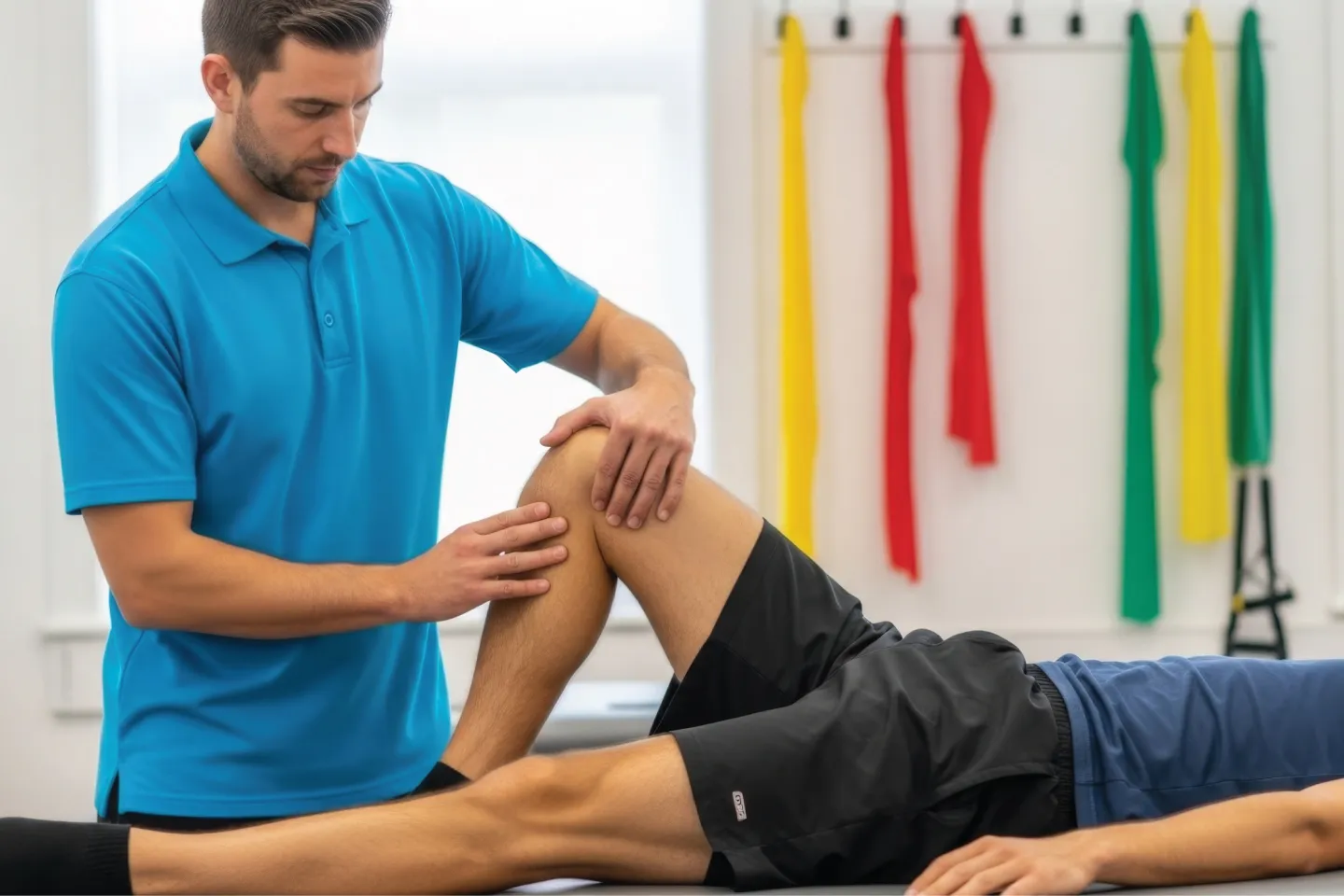
Injuries can happen to anyone, whether through sport, work, daily activities, or accidents. While some injuries heal naturally with rest, many require targeted care to ensure proper recovery and to prevent long-term complications. Physiotherapy plays a crucial role in helping individuals recover safely, efficiently, and confidently after injury.
At Isleworth Pain and Injury Clinic, physiotherapy is a cornerstone of injury rehabilitation. Through personalised treatment plans and evidence-based techniques, physiotherapy helps restore movement, reduce pain, and speed up the recovery process.
Understanding Injury Recovery
When an injury occurs, the body goes through several stages of healing. These typically include inflammation, tissue repair, and remodelling. While these stages are natural, they do not always progress smoothly without guidance.
Improper healing can lead to:
- Persistent pain
- Reduced mobility
- Muscle weakness
- Joint stiffness
- Increased risk of re-injury
Physiotherapy supports the body at each stage of recovery, ensuring tissues heal correctly and function is fully restored.
What Is Physiotherapy?
Physiotherapy is a healthcare profession focused on restoring movement, strength, and function following injury, illness, or surgery. It combines hands-on treatment, exercise therapy, education, and movement retraining to support recovery.
Physiotherapy is commonly used to treat:
- Sports injuries
- Workplace and repetitive strain injuries
- Back and neck pain
- Joint injuries
- Post-surgical conditions
- Long-standing musculoskeletal pain
Rather than simply managing symptoms, physiotherapy addresses the underlying causes of injury and dysfunction.
Reducing Pain and Inflammation
One of the first goals of physiotherapy is to reduce pain and inflammation following injury.
Targeted Treatment Techniques
Physiotherapists use a range of techniques to relieve pain, including:
- Manual therapy to improve joint and soft tissue movement
- Gentle mobilisation to reduce stiffness
- Controlled exercises to promote circulation and healing
Reducing pain early allows patients to move more comfortably and begin rehabilitation sooner, which is essential for faster recovery.
Restoring Movement and Flexibility
After an injury, it is common for joints and muscles to become stiff due to swelling, pain, or reduced use. Limited movement can slow healing and affect daily activities.
Physiotherapy focuses on:
- Improving joint mobility
- Restoring muscle flexibility
- Encouraging safe, pain-free movement
Gradual and guided movement prevents stiffness from becoming permanent and helps tissues heal in a functional way.
Rebuilding Strength and Stability
Muscle weakness is a common consequence of injury, particularly when movement has been limited for a period of time. Weak muscles place additional strain on joints and surrounding tissues, increasing the risk of further injury.
Progressive Strengthening
Physiotherapists design progressive exercise programmes tailored to the individual. These exercises:
- Strengthen injured and surrounding muscles
- Improve joint stability
- Restore balance and coordination
By rebuilding strength in a controlled manner, physiotherapy helps patients return to normal activities more quickly and safely.
Improving Movement Patterns
In many cases, injuries are linked to poor movement patterns or muscle imbalances. If these issues are not addressed, recovery may be delayed and injuries may recur.
Physiotherapy helps identify and correct:
- Faulty posture
- Inefficient movement habits
- Muscle imbalances
- Compensatory patterns developed after injury
Correcting these issues not only speeds up recovery but also reduces the likelihood of future injuries.
Supporting Safe and Gradual Return to Activity
One of the most common mistakes during recovery is returning to activity too soon or without proper preparation. This can lead to setbacks or re-injury.
Physiotherapy provides a structured return-to-activity plan that:
- Gradually increases load and intensity
- Ensures tissues are strong enough to cope with demands
- Builds confidence in movement
Whether returning to work, sport, or daily activities, physiotherapy ensures the transition is safe and sustainable.
Preventing Long-Term Complications
Without proper rehabilitation, injuries can lead to long-term issues such as chronic pain, reduced mobility, or joint instability. Physiotherapy reduces these risks by ensuring complete and correct recovery.
Early physiotherapy intervention can:
- Prevent acute injuries from becoming chronic
- Reduce scar tissue-related stiffness
- Improve long-term joint health
- Support overall physical resilience
The Importance of Individualised Care
Every injury and individual is different. A one-size-fits-all approach is rarely effective. At Isleworth Pain and Injury Clinic, physiotherapy programmes are tailored to each patient’s needs, goals, and lifestyle.
Treatment plans consider:
- Type and severity of injury
- Age and activity level
- Work and sport demands
- Overall health and medical history
This personalised approach helps maximise recovery outcomes.
Physiotherapy After Surgery
Physiotherapy is especially important following surgery. Post-surgical rehabilitation focuses on:
- Reducing swelling and pain
- Restoring joint movement
- Rebuilding strength
- Preventing complications such as stiffness or weakness
A structured physiotherapy programme can significantly shorten recovery time and improve surgical outcomes.
When Should You Start Physiotherapy?
In many cases, starting physiotherapy early leads to faster and better recovery. You should consider physiotherapy if:
- Pain persists after an injury
- Movement feels restricted or unstable
- Strength has noticeably reduced
- You are recovering from surgery
- You want to return safely to sport or work
Early assessment allows issues to be addressed before they become more complex.
Expert Physiotherapy at Isleworth Pain and Injury Clinic
At Isleworth Pain and Injury Clinic, our experienced physiotherapy team focuses on helping patients recover efficiently and confidently. We combine hands-on care, exercise rehabilitation, and education to support lasting results.
Our goal is not just to help you recover, but to help you move better, feel stronger, and reduce the risk of future injury.
Start Your Recovery Journey Today
If you are recovering from an injury or struggling with pain that is slowing you down, physiotherapy can make a real difference. With the right guidance and treatment, recovery does not have to be long or frustrating.
Contact Isleworth Pain and Injury Clinic today to book a physiotherapy assessment and take the next step towards faster, safer injury recovery.
Schedule Your Visit!
Don’t wait to feel better. Book your consultation now and let us help you move freely and live pain free.


Phone: +44 20 3137 7198



© Remedo 2026 | All rights reserved | Privacy Policy | Website Design by Remedo