
Sciatica Pain Relief: How Chiropractic Care Can Help
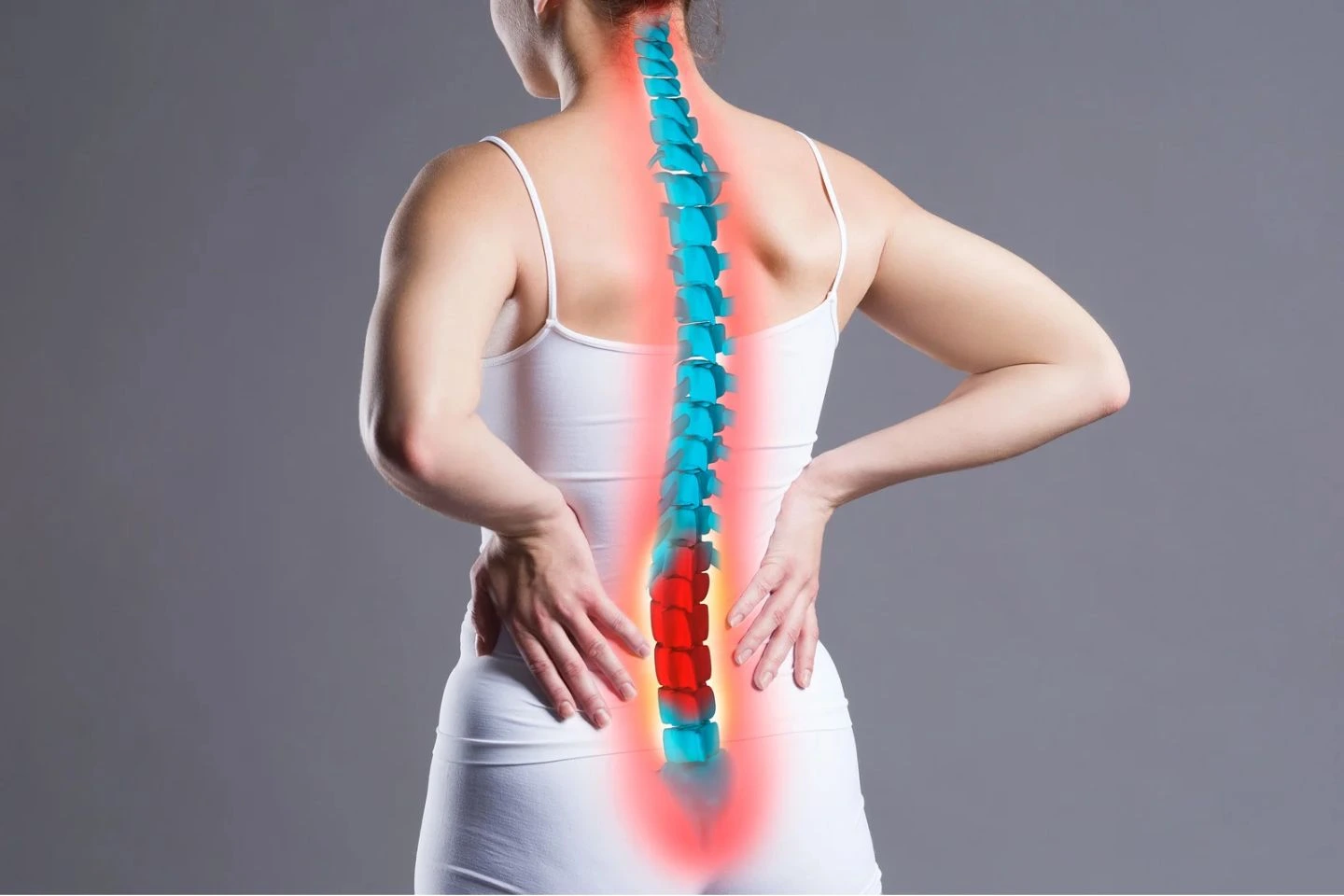
Sciatica can make everyday life frustrating. A pain that starts in your lower back and travels through your buttock and down your leg can make sitting, walking, driving and even getting out of bed uncomfortable.
For some people, the symptoms feel like a dull ache. For others, they may include sharp, shooting or burning pain, tingling, numbness or weakness in the affected leg.
If you have been experiencing these symptoms, you may have wondered whether chiropractic care could help. The good news is that certain chiropractic and physiotherapy approaches may support the management of sciatica, depending on what is irritating the sciatic nerve.
At Isleworth Pain and Injury, understanding the source of your symptoms is an important part of exploring suitable treatment options. Here is what you should know about sciatica, chiropractic treatment and ways to support your recovery.
What Is Sciatica?
Sciatica refers to symptoms caused by irritation or compression of the sciatic nerve or its nerve roots.
The sciatic nerve is the largest nerve in the body. It originates from nerve roots in the lower spine, travels through the buttock and continues down the back of each leg.
When these nerve structures become irritated, pain and other symptoms may develop along the nerve's pathway.
Sciatica generally affects one side of the body, although the exact location and intensity of symptoms vary.
Common Symptoms of Sciatica
You may experience:
- Pain in the lower back, buttock or back of the thigh.
- Sharp or shooting pain travelling down the leg.
- Burning or electric-shock-like sensations.
- Tingling or pins and needles in the leg or foot.
- Numbness in certain areas of the lower limb.
- Muscle weakness in the affected leg or foot.
- Discomfort that becomes worse after prolonged sitting.
Not everyone experiences lower back pain alongside sciatica. Sometimes, leg pain is the main symptom.
What Causes Sciatica?
Sciatica is not a condition in itself but a collection of symptoms associated with irritation of the sciatic nerve or its roots.
Several underlying problems can contribute to it.
Herniated or Slipped Disc
A herniated disc occurs when the soft inner material of an intervertebral disc pushes through its outer layer. If it irritates or compresses a nearby nerve root, it can cause sciatica.
Spinal Stenosis
Spinal stenosis involves narrowing of spaces within the spinal canal or around the nerve roots. This may place pressure on the nerves and contribute to leg pain, numbness or weakness.
Degenerative Changes
As the spine ages, discs and joints can undergo structural changes. In some cases, these changes contribute to narrowing around the nerve roots.
Spondylolisthesis
This occurs when one vertebra slips forwards in relation to another. Depending on the degree of movement and associated changes, nearby nerves may become irritated.
Piriformis-Related Symptoms
The piriformis is a muscle located deep in the buttock. In some individuals, irritation around this muscle may contribute to symptoms resembling sciatica. However, not all buttock pain or leg pain is caused by piriformis-related problems.
Identifying the underlying cause helps determine which treatments are appropriate.
Can Chiropractic Care Help With Sciatica?
Chiropractic care may help some people experiencing sciatica, particularly when symptoms are associated with certain mechanical problems involving the lower back.
Treatment should begin with a detailed assessment rather than assuming that every case of leg pain has the same cause.
Depending on your presentation, a chiropractor may consider several approaches.
1. Spinal Mobilisation and Manual Therapy
Gentle joint mobilisation and selected manual techniques may be used to address movement restrictions and discomfort.
The choice of technique depends on the suspected cause of your symptoms. Spinal manipulation is not appropriate for everyone, particularly when there are significant neurological symptoms or certain underlying spinal conditions.
2. Soft Tissue Treatment
Tension in the muscles around the lower back, hips and buttocks may contribute to discomfort.
Soft tissue techniques may be included in a treatment plan to help manage muscular tension and improve movement. They should complement, rather than replace, appropriate assessment and rehabilitation.
3. Movement and Exercise Advice
Exercise is an important part of managing many cases of sciatica.
A chiropractor or physiotherapist may recommend movements that help maintain mobility and improve your tolerance for everyday activities.
These may include:
- Gentle lower back mobility exercises.
- Hip mobility movements.
- Appropriate strengthening exercises.
- Walking programmes.
- Individualised nerve mobility exercises, when suitable.
Not every exercise is appropriate for every person. Some movements may aggravate nerve-related symptoms, so exercises should be selected according to your presentation.
4. Advice on Everyday Activities
Your practitioner may also discuss how you sit, stand, lift objects and move throughout the day.
Small adjustments can make everyday activities more manageable while you recover.
What Happens During a Sciatica Assessment?
Before deciding whether chiropractic treatment is appropriate, your practitioner needs to understand your symptoms and medical history.
Understanding Your Symptoms
You may be asked:
- Where does the pain begin?
- Does it travel below your knee?
- Do you experience tingling or numbness?
- Is one leg weaker than the other?
- Does sitting, standing or walking make it worse?
- When did the symptoms first appear?
- Have you experienced a previous back injury?
These details help establish whether your symptoms may be related to nerve irritation or another condition.
Physical Examination
The assessment may include checking your spinal and hip movement, muscle strength, sensation, reflexes and relevant nerve-related signs.
The practitioner may also assess how you walk and perform certain movements.
If your symptoms suggest a more serious condition, you may be referred for medical assessment rather than proceeding with routine treatment.
Chiropractic Care vs Physiotherapy for Sciatica
Both chiropractic care and physiotherapy can have a role in managing selected cases of sciatica.
Chiropractic care may include manual techniques, joint mobilisation, soft tissue treatment and exercise advice.
Physiotherapy often focuses on improving strength, movement, flexibility and functional ability through a progressive rehabilitation programme. Manual therapy may also be included where appropriate.
The two approaches are not necessarily alternatives. Depending on your symptoms, a combination of suitable manual treatment and active rehabilitation may be considered.
If you are searching for chiropractic and physiotherapy care in Isleworth, an individual assessment can help identify the most suitable approach.
What Can You Do at Home to Manage Sciatica?
Although sciatica can be uncomfortable, staying gently active is often more helpful than prolonged bed rest.
Keep Moving Within Your Comfort
Short walks and gentle daily activities may help maintain movement. You do not need to push through severe pain, but avoiding all activity for extended periods is generally not recommended.
Avoid Prolonged Sitting
Sitting for long periods may aggravate symptoms in some people. Try changing positions regularly and taking short movement breaks.
Use Comfortable Sleeping Positions
Choose a position that reduces discomfort. Some people find lying on their side with a pillow between their knees more comfortable, while others prefer lying on their back with support beneath their knees.
Avoid Heavy Lifting During a Flare-Up
If lifting increases your leg pain, temporarily modify the activity. When lifting is necessary, avoid sudden twisting and use a comfortable movement pattern.
Follow an Appropriate Exercise Plan
Your practitioner may suggest exercises based on the underlying cause of your symptoms. Avoid copying exercises from the internet without considering whether they are suitable for your condition.
When Should You Seek Medical Help for Sciatica?
Most cases of sciatica do not require emergency treatment. However, certain symptoms need immediate medical attention.
Seek emergency assessment if you experience:
- New difficulty passing urine or inability to control bladder function.
- Loss of bowel control.
- Numbness around the genitals, buttocks or inner thighs, sometimes called saddle numbness.
- Severe or progressive weakness in the legs.
- Symptoms affecting both legs, particularly alongside other neurological changes.
These can indicate cauda equina syndrome or another serious neurological problem.
You should also seek prompt medical advice if you develop fever, unexplained weight loss, a history of cancer, significant trauma or severe unrelenting pain.
How Long Does Sciatica Take to Improve?
Recovery varies considerably.
Some people improve over a few weeks, while others experience symptoms for several months, particularly when there is ongoing nerve irritation or an underlying spinal condition.
Your recovery may depend on:
- The cause of nerve irritation.
- The severity of symptoms.
- Whether weakness or numbness is present.
- Your general health and activity levels.
- How your symptoms respond to treatment.
If your symptoms are not improving, a healthcare professional may recommend further investigation or a different treatment approach.
Frequently Asked Questions
Can a chiropractor release a trapped sciatic nerve?
Chiropractic treatment cannot guarantee that a compressed nerve will be released. However, selected manual techniques and rehabilitation exercises may help manage symptoms in some cases. Treatment depends on the underlying cause.
Is walking good for sciatica?
Gentle walking can help maintain movement and general fitness. Start with manageable distances and adjust according to your symptoms. Stop and seek advice if walking causes significant worsening or new weakness.
Should I rest or exercise with sciatica?
Prolonged bed rest is generally not recommended. Gentle activity is often encouraged, although strenuous movements that aggravate your symptoms should be modified.
Can sciatica go away on its own?
Yes. Many cases improve over time without surgery. However, persistent or worsening symptoms should be assessed to identify the underlying cause and appropriate treatment.
How many chiropractic sessions are needed for sciatica?
There is no standard number. The treatment plan depends on the assessment, severity of symptoms and response to care. Progress should be reviewed rather than following a fixed number of appointments.
Is sciatica the same as lower back pain?
No. Lower back pain affects the lumbar region, whereas sciatica involves symptoms associated with irritation of the sciatic nerve or its roots. Both can occur together.
Can physiotherapy help with sciatica?
Yes. Physiotherapy may help improve strength, mobility and tolerance for everyday activities through individualised rehabilitation. The programme depends on the underlying cause and symptoms.
Explore Your Options for Sciatica Pain Relief
Living with sciatica can affect your ability to work, exercise, sleep and enjoy everyday activities. Understanding what is causing your symptoms is the first step towards finding an appropriate way forward.
Contact Isleworth Pain and Injury
If you are experiencing persistent lower back pain, shooting leg pain or symptoms that may be related to sciatica, contact Isleworth Pain and Injury.
Our approach to chiropractic and physiotherapy care in Isleworth begins with understanding your symptoms and discussing suitable treatment options. Get in touch to arrange an assessment and take an informed step towards managing your discomfort.
Schedule Your Visit!
Don’t wait to feel better. Book your consultation now and let us help you move freely and live pain free.


Phone: +44 20 3137 7198




© Remedo 2026 | All rights reserved | Privacy Policy | Website Design by Remedo