ACL and Meniscus Rehabilitation: Steps to a Safe and Effective Recovery
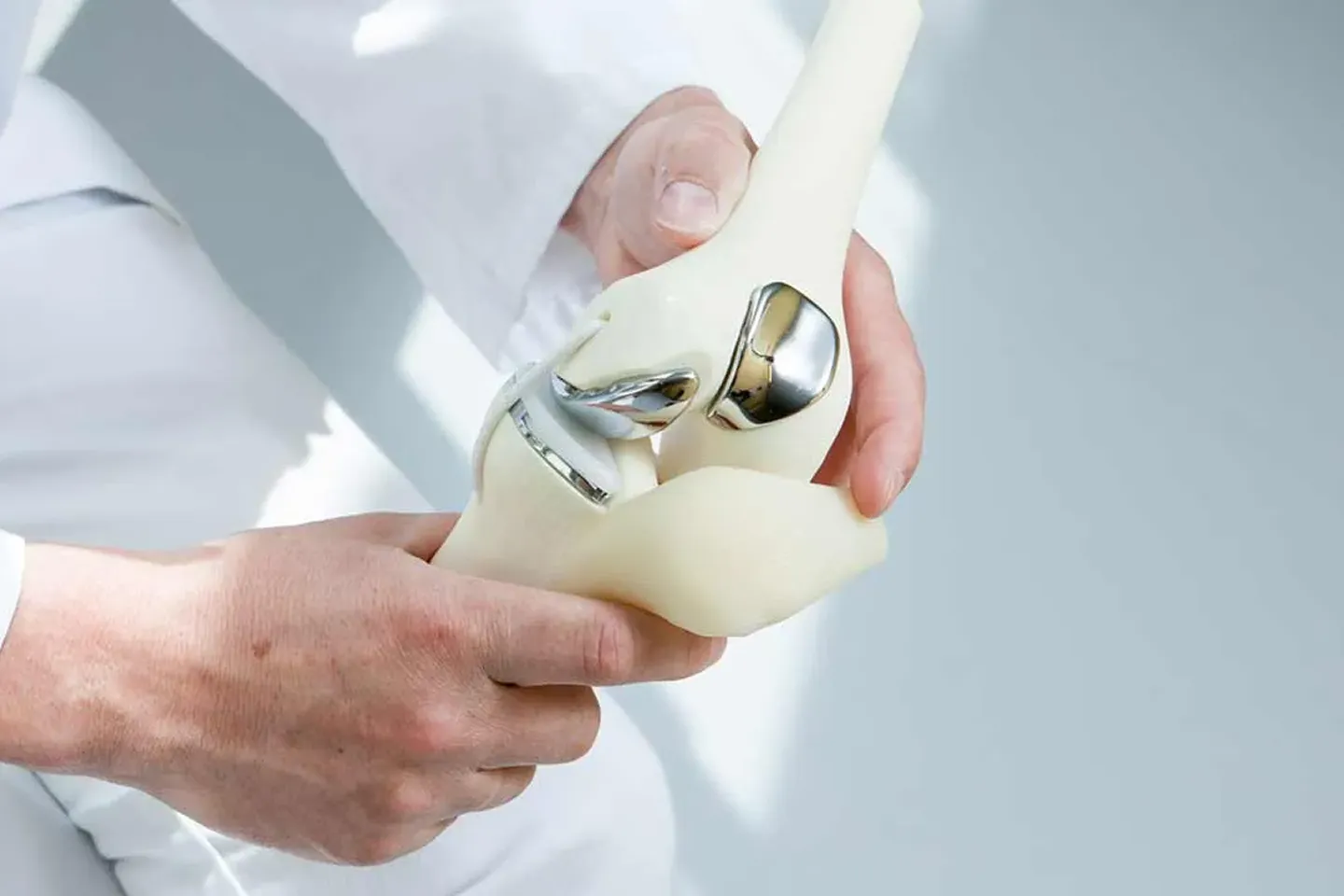
Introduction: Returning Strong After Knee Injury
An ACL or meniscus injury can sideline you from sports, work, and daily activities. Proper rehabilitation is critical to restore strength, stability, and mobility while preventing re-injury.
At Isleworth Pain and Injury Clinic, we offer personalized rehab programs for ACL and meniscus injuries, combining physiotherapy, exercise therapy, and post-surgical care to ensure safe and effective recovery.
1. Understanding ACL and Meniscus Injuries
ACL (Anterior Cruciate Ligament):
- Connects the thigh bone to the shin bone
- Provides stability during pivoting and sudden movements
- Commonly injured in sports or accidents
Meniscus:
- Cartilage that cushions and stabilizes the knee joint
- Can tear due to twisting motions, sudden stops, or degeneration with age
Symptoms of injury include:
- Pain, swelling, and stiffness
- Instability or “giving way” of the knee
- Reduced range of motion
- Difficulty walking or performing daily activities
Tip: Early diagnosis ensures more effective rehabilitation and better long-term outcomes.
2. Goals of Rehabilitation
The main objectives of ACL and meniscus rehab are:
- Restore full range of motion
- Reduce pain and swelling
- Strengthen supporting muscles around the knee
- Rebuild stability, balance, and coordination
- Enable a safe return to sports or daily activities
Tip: Rehabilitation is a gradual process; rushing can increase the risk of re-injury.
3. Phases of ACL and Meniscus Rehabilitation
Phase 1 – Immediate Post-Injury or Post-Surgery (0–2 weeks):
- Reduce swelling and inflammation using rest, ice, compression, and elevation (RICE)
- Gentle range-of-motion exercises to prevent stiffness
- Pain management and guidance for safe mobility
Phase 2 – Early Recovery (2–6 weeks):
- Focus on regaining flexibility and gradual weight-bearing
- Gentle strengthening exercises for quadriceps, hamstrings, and hip muscles
- Low-impact movements such as stationary cycling
Phase 3 – Strength and Stability (6–12 weeks):
- More intensive strength training for lower body and core
- Balance and proprioception exercises to improve knee control
- Gradual introduction to functional movements like step-ups and lunges
Phase 4 – Advanced Training (3–6 months):
- Sport-specific or activity-specific exercises
- Plyometric training and agility drills for athletes
- Emphasis on endurance, coordination, and confidence in knee stability
Phase 5 – Return to Activity (6+ months):
- Full participation in sports or demanding physical activities
- Continued strengthening and injury prevention exercises
- Regular follow-ups to ensure long-term knee health
4. Post-Surgical Care
For patients who have undergone ACL reconstruction or meniscus repair, structured post-surgical care is essential:
- Pain and swelling management using safe modalities
- Gradual progression of exercises to protect healing tissue
- Monitoring for complications such as stiffness or infection
- Guidance on daily activities and safe movement
Tip: Consistency and adherence to post-surgical instructions are critical for optimal recovery.
5. Preventing Re-Injury
Preventing future injuries is just as important as rehabilitation:
- Continue strengthening and conditioning exercises even after formal rehab
- Use supportive gear or braces if recommended
- Warm-up properly before sports or intense physical activity
- Listen to your body—avoid returning to activity too quickly
Tip: Education and awareness about knee mechanics and safe movement patterns can significantly reduce the risk of re-injury.
6. Why Choose Isleworth Pain and Injury Clinic
At Isleworth Pain and Injury Clinic, we combine:
- Experienced physiotherapists specializing in sports injuries
- Individualized rehab programs based on your needs and goals
- Advanced equipment and techniques for precise monitoring and recovery
- Support throughout the entire rehabilitation journey, from injury to return to full activity
Benefit: Our approach ensures safer recovery, better outcomes, and reduced risk of long-term complications.
Conclusion: Regain Strength and Confidence
ACL and meniscus injuries can be challenging, but with structured rehabilitation and expert guidance, you can regain strength, stability, and confidence in your knee.
Takeaway: A tailored rehab program, combined with consistent effort and professional monitoring, is the key to a safe and effective recovery.
Don’t let a knee injury limit your life. Schedule a consultation at Isleworth Pain and Injury Clinic today and start your personalized ACL or meniscus rehabilitation program with our expert team.
Schedule Your Visit!
Don’t wait to feel better. Book your consultation now and let us help you move freely and live pain free.


Phone: +44 20 3137 7198



© Remedo 2026 | All rights reserved | Privacy Policy | Website Design by Remedo